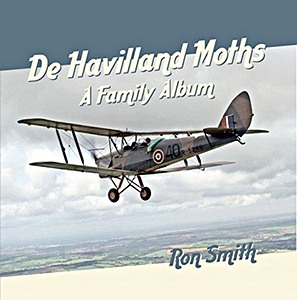
De Havilland Moths: A Family Album
La familia de aviones de Havilland Moth es conocida en todo el mundo por su importancia fundamental en el desarrollo del avión ligero, práctico y asequible.
A pesar de haber aparecido por primera vez en 1925, muchos todavía se pueden encontrar volando hoy en día. Quizás el más conocido sea el biplano DH.82 Tiger Moth, utilizado como avión de entrenamiento en la Segunda Guerra Mundial.
Sin embargo, bajo el nombre Moth se englobaron numerosos modelos diferentes, desde el original DH.60 Cirrus Moth hasta las líneas elegantes del DH.94 Moth Minor. Entre ellos se encontraban otros tipos como el Giant Moth, diseñado para transportar pasajeros, y el elegante Puss Moth.
Este libro recorre la historia de la familia de las polillas a través de todos sus diferentes tipos, utilizando fotografías de la extensa colección personal del autor, así como imágenes y materiales de archivo para dar vida a la historia completa.
Detalle del libro
| Autor: | Ron Smith |
|---|---|
| Presentación: | 146 páginas, 22 x 18 x 1 cm, tapa blanda |
| Ilustración: | 198 fotos en b/n y color |
| Idioma: | Inglés |
| Editorial: | Destinworld Publishing Ltd (GB, 2015) |
| ISBN: | 9780993095009 |