Okręty wojenne (1 WŚ) - Wielka Brytania: książki - historia

Szukasz książki o okrętach wojennych Royal Navy? Znajdziesz tu książki o historii i typach okrętów wojennych z Wielkiej Brytanii z I wojny światowej.

Niezależne rekomendacje książek! Zakupy przez nasze linki wspierają nas bez dodatkowych kosztów dla Ciebie. Więcej informacji >

Blocking of Zeebrugge - Operation Z-O 1918 (Osprey)

On the night of 22-23 April 1918 the Royal Navy carried out a raid on the German held ports of Zeebrugge and Ostend - Operation Z-O. Under the cover of clouds and smoke, over 70 ships and an assault force of 1,800 Royal Marines embarked on a daring mission which involved a vicious battle of incredible intensity.
However, despite the gallant and courageous efforts of the attackers, 11 of whom were later awarded the Victoria Cross, the raid was only partly successful.

Discover the successes and failures of this dramatic raid in this in-depth account, complete with specially commissioned battlescene artwork. The author reveals how despite failure, the raid demonstrated to Germany that Britain was still capable of offensive action, even as its armies were being forced back.

Szczegóły

Autor:Stephen Prince
Wydanie:64 stron, 24.5 x 18.5 x 0.5 cm, miękka oprawa
Ilustracje:ilustrowane zdjęciami i rysunkami (czarno-białe i kolorowe)
Język:angielski
Wydawca:Osprey Publishing (GB, 2010)
Seria:Raid (7)
ISBN:9781846034534
Okładka książki: Blocking of Zeebrugge - Operation Z-O 1918 | Raid (7) | Osprey

Blocking of Zeebrugge - Operation Z-O 1918

Język: angielski

Sprawdź cenę i dostępność:

Jutland 1916 : The Archaeology of a Naval Battlefield

Bitwa jutlandzka była największą bitwą morską i jedynym pełnowymiarowym starciem pancerników w I wojnie światowej. Przez lata niezliczone czynniki przyczyniające się do utraty wielu okrętów pozostawały tajemnicą, przedmiotem jedynie spekulacji i teorii.

W tej książce archeolog morski i historyk dr Innes McCartney po raz pierwszy ujawnia, co stało się z okrętami wojennymi, które zaginęły w nocy 31 maja 1916 r., badając okoliczności stojące za utratą każdego statku i porównując to, co wiedziano w 1916 r., z tym, co ujawnia dziś archeologia.
Wiedza o tym, co się działo, została pogłębiona w 2015 roku dzięki przełomowemu badaniu z wykorzystaniem nowoczesnej technologii wielowiązkowej. To w znacznym stopniu pomogło w rozwikłaniu zagadek związanych z Jutlandią, w tym niszczycielskich eksplozji, które pochłonęły pięć głównych brytyjskich okrętów wojennych, szczegółów dotyczących wraków 13 niszczycieli utraconych w bitwie oraz niemieckich okrętów zatopionych w nocy.

To pierwsza książka, która identyfikuje lokalizację wielu wraków i - co skandaliczne - pokazuje, jak ponad połowa z nich została nielegalnie splądrowana w celu ratowania, pomimo ich statusu grobów wojennych. Niezbędna i odkrywcza lektura dla każdego, kto interesuje się historią marynarki wojennej i archeologią morską.

Szczegóły

Autor:Dr Innes McCartney
Wydanie:272 stron, 24.5 x 19 cm, twarda oprawa
Ilustracje:bogato ilustrowane, zdjęcia czarno-białe i kolorowe
Język:angielski
Wydawca:Osprey Publishing (GB, 2016)
ISBN:9781472835413
Okładka książki: Jutland 1916 : The Archaeology of a Naval Battlefield | Osprey

Jutland 1916 : The Archaeology of a Naval Battlefield

Język: angielski

Sprawdź cenę i dostępność:

Q Ship vs U-Boat - 1914-18 (Osprey)

Statki typu Q występowały w najróżniejszych kształtach i rozmiarach - parowce przybrzeżne, trawlery, barki, jachty i szkunery - ale wszystkie musiały wyglądać nieszkodliwie, aby zwabić przeciwników na powierzchnię i zachęcić ich do ataku. Uzbrojenie różniło się w zależności od wielkości statku. Parowce zazwyczaj miały działa kal. 4 cale (10 cm) zamontowane na śródokręciu i dziobie, trawlery - 3-funtówki, a żaglowce - 12-funtówki.

Ci, którzy służyli na okrętach typu Q, musieli pogodzić się z tym, że ich przeciwnicy, U-Boot, będą mogli zaatakować pierwsi. Kapitanowie okrętów typu Q trzymali w pogotowiu "załogę paniki", która była przeszkolona w zakresie przeprowadzania skomplikowanej ewakuacji, aby przekonać dowódcę okrętu, że załoga opuszcza okręt. Kapitan okrętu Q pozostawał na miejscu z garstką innych członków załogi, obsługując działa, które pozostawały ukryte do momentu najbardziej dogodnego, by zdemaskować i zaatakować okręt.

Koncepcja okrętu Q pojawiła się na początku wojny, gdy żadna inna metoda nie wydawała się skuteczna w walce z zagrożeniem ze strony U-Bootów. Koncepcja ta sprawdzała się do czasu opracowania, przetestowania i wdrożenia nowych technologii i taktyk.

Spis treści: Wstęp - Chronologia - Projekt i rozwój - Sytuacja strategiczna - Specyfikacje techniczne - Walczący - Walka - Statystyki i analiza - Skutki - Bibliografia - Indeks.

Szczegóły

Autor:David Greentree
Wydanie:80 stron, 25 x 19 x 0.7 cm, miękka oprawa
Ilustracje:ilustrowane zdjęciami i rysunkami (czarno-białe i kolorowe)
Język:angielski
Wydawca:Osprey Publishing (GB, 2014)
Seria:Duel (57)
ISBN:9781782002840
Okładka książki: Q Ship vs U-Boat - 1914-18 | Duel (57) | Osprey

Q Ship vs U-Boat - 1914-18

Język: angielski

Sprawdź cenę i dostępność:
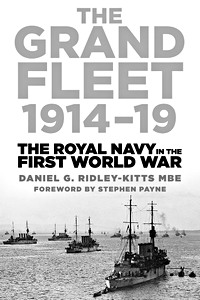
The Grand Fleet 1914-19 - The Royal Navy in the First World War

During the First World War the reputation of the British Royal Navy was put on the line in its defence of the country, and, crucially, it was in those years, 1914-19, that the Grand Fleet became the single most potent weapon of war of any nation.

In this comprehensive, illustrated history, Ridley-Kitts tells of the creation and development of the Grand Fleet under the drive of the energetic and charismatic Admiral of the Fleet 'Jacky' Fisher, who modernised the navy with the introduction of the revolutionary Dreadnought battleship. This type of vessel in particular made other nations' battleships obsolete, created a powerful weapon for the defence of the British Empire and its trade, and finally defeated the machinations of Kaiser William II.

Using unique illustrations rendered by the author, the story of the Grand Fleet is told in accessible narrative style, with outstanding technical detail that will satisfy naval enthusiasts.

Szczegóły

Autor:Daniel George Ridley-Kitts
Wydanie:288 stron, 23.5 x 15.5 x 1.9 cm, miękka oprawa
Ilustracje:30 ilustracji in czarno-białe i 72 kolorowe
Język:angielski
Wydawca:The History Press Ltd (GB, 2013)
ISBN:9780752488738
Okładka książki: The Grand Fleet 1914-19 - The Royal Navy in the First World War | The History Press

The Grand Fleet 1914-19 - The Royal Navy in the First World War

Język: angielski

Sprawdź cenę i dostępność:

The Royal Navy - 100 Years of Modern Warfare

This book examines how the Royal Navy protected Britain's shores and wider interests through the First World War and the one that was to follow, from the northern patrol lifelines of the Atlantic, Arctic and Mediterranean convoys and increasingly sophisticated amphibious operations that would mark it out in the Second.

The book ends with chapters on The Falklands War and Royal Navy's anti-piracy role and involvement in humanitarian crises. This visually stunning volume is complemented by 15 loose facsimile documents that include letters and diary entries, war reports and other items of memorabilia that bring an immediacy to the events being described.

Without the Royal Navy in two World Wars, Britain would have at best lost, and worst ceased to exist.

This book salutes the services' incredible achievements over the last 100 years.

Szczegóły

Autor:Julian Thompson
Wydanie:80 stron, 30.5 x 26 x 3.4 cm, twarda oprawa
Ilustracje:200 czarno-białych i kolorowych zdjęć
Język:angielski
Wydawca:Carlton Books Ltd (GB, 2016)
ISBN:9780233004860
Okładka książki: The Royal Navy - 100 Years of Modern Warfare | Carlton

The Royal Navy - 100 Years of Modern Warfare

Język: angielski

Sprawdź cenę i dostępność:
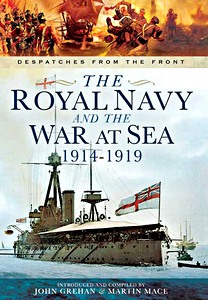
The Royal Navy and the War at Sea - 1914-1919 - Despatches from the Front

Germany's attempts to build a battleship fleet to match that of the United Kingdom, the dominant naval power on the 19th-century and an island country that depended on seaborne trade for survival, is often listed as a major reason for the enmity between those two countries that led to the outbreak of war in 1914.
Indeed, German leaders had expressed a desire for a navy in proportion to their military and economic strength that could free their overseas trade and colonial empire from dependence on Britain's good will, but such a fleet would inevitably threaten Britain's own trade and empire.

This unique collection of original documents will prove to be an invaluable resource for historians, students and all those interested in what was one of the most significant periods in British military history.
Despatches in this volume include those relating to the events at Antwerp in 1914, Royal Navy armoured car squadrons, the Battle of Dogger Bank, the Battle of the Falklands, the Battle of Heligoland Bight, minesweeping operations, Royal Naval Air Service operations and attacks, and, of course, the Battle of Jutland.

Szczegóły

Autor:Martin Mace
Wydanie:224 stron, 23.5 x 15.5 cm, twarda oprawa
Ilustracje:ilustrowany
Język:angielski
Wydawca:Pen & Sword Books Ltd (GB, 2014)
ISBN:9781781593172
Okładka książki: The Royal Navy and the War at Sea - 1914-1919 - Despatches from the Front | Pen & Sword

The Royal Navy and the War at Sea - 1914-1919 - Despatches from the Front

Język: angielski

Sprawdź cenę i dostępność:

Inne książki z tej kategorii:

Okładka książki: Dunkirk Little Ships

Dunkirk Little Ships

Nigel Sharp | angielski | miękka oprawa | 96 str. | 2015

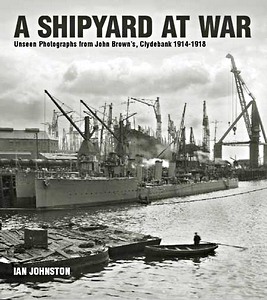
Okładka książki: A Shipyard at War - Unseen Photographs from John Brown's, Clydebank 1914 - 1918

A Shipyard at War - Unseen Photographs from John Brown's, Clydebank 1914 - 1918

Ian Johnston | angielski | twarda oprawa | 192 str. | 2014

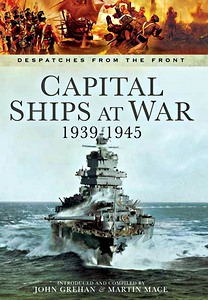
Okładka książki: Capital Ships at War, 1939-1945 - Despatches from the Front

Capital Ships at War, 1939-1945 - Despatches from the Front

John Grehan, Martin Mace | angielski | twarda oprawa | 224 str. | 2014

Okładka książki: The Ships of Scapa Flow

The Ships of Scapa Flow

Campbell McCutcheon | angielski | miękka oprawa | 96 str. | 2013

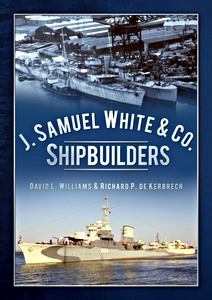
Okładka książki: J. Samuel White & Co., Shipbuilders

J. Samuel White & Co., Shipbuilders

David Williams, Richard P. de Kerbrech | angielski | miękka oprawa | 176 str. | 2012